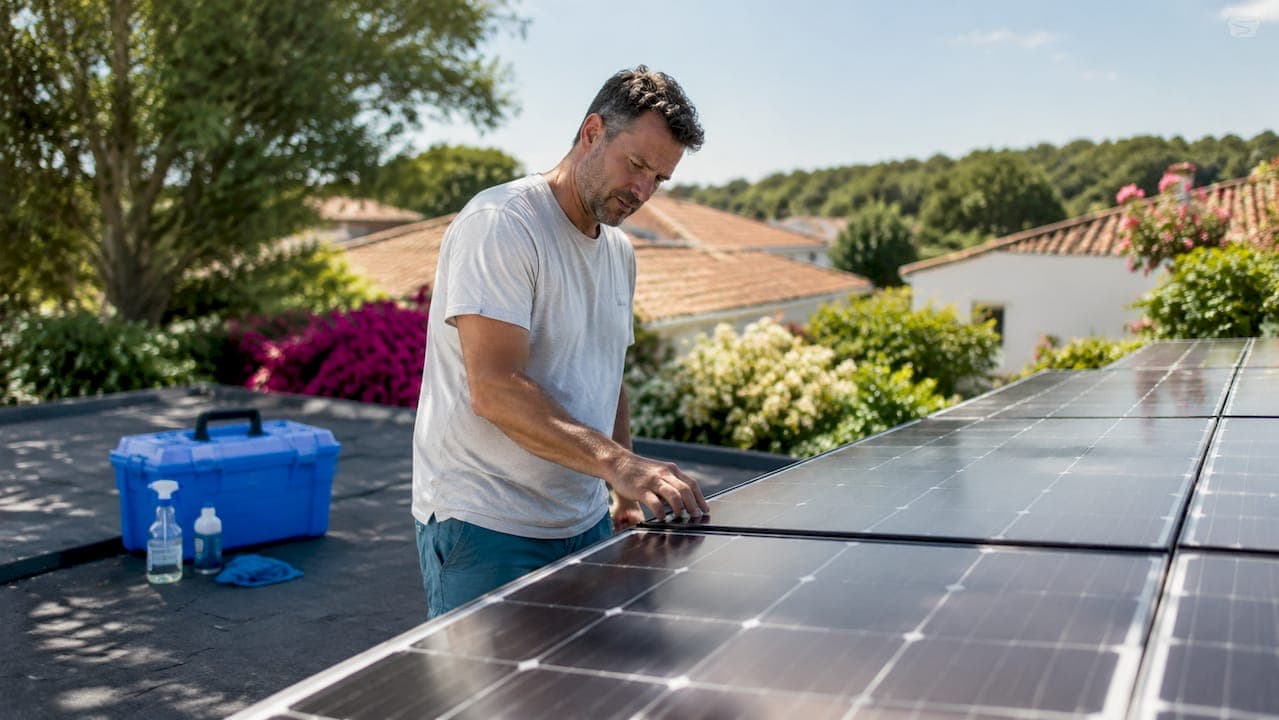
Residential solar panel lifespan is defined as the period, generally 25 to 30 years, during which panels reliably convert sunlight into electricity before gradual efficiency loss becomes financially significant. Most homeowners assume panels simply stop working at year 25. They don't. Modern panels degrade at roughly 0.25 to 0.5% per year, meaning your system quietly loses a small fraction of output annually rather than failing overnight. Understanding what drives that decline, and what you can do about it, is the difference between a solar investment that pays off and one that underperforms for decades.
What is residential solar panel lifespan and how does degradation work?
Degradation is the technical term for the gradual reduction in a panel's power output over time, and it is the central concept behind residential solar lifespan. Think of it like a car engine that runs well for years but loses a small amount of efficiency with every mile. The engine doesn't stop, it just works a little harder to do the same job.
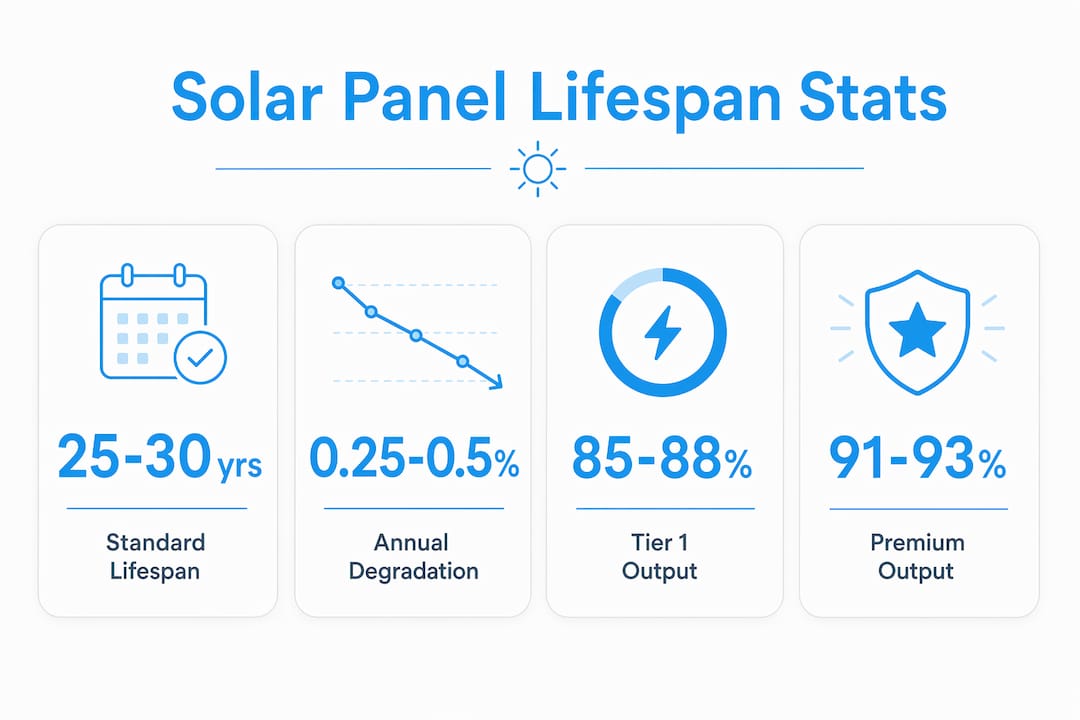
Tier 1 panels retain 85 to 88% of their original output after 25 years, while premium panels hold 91 to 93%. That gap matters when you're sizing a system or evaluating a long-term payback period. A system producing 10 kilowatts today will produce roughly 8.5 to 9.3 kilowatts in 2051, depending on panel quality. That's still meaningful electricity generation, not a dead system.
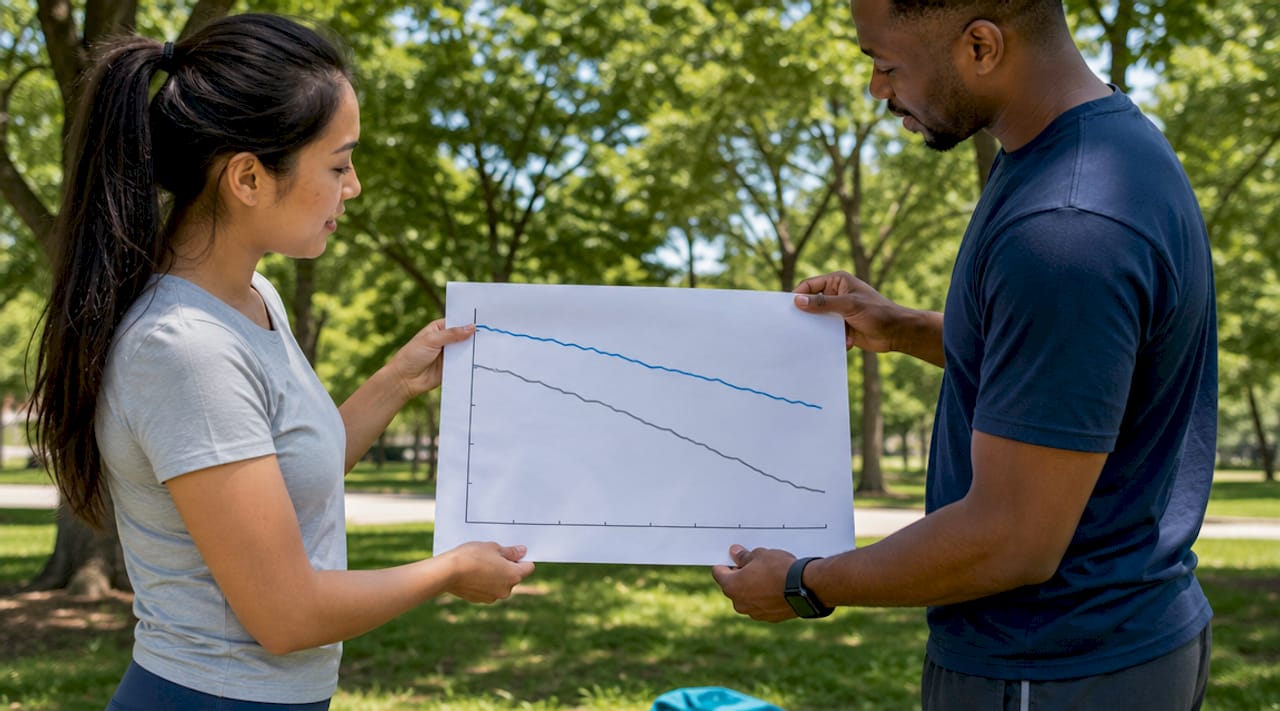
The table below shows how output capacity changes over time for typical panel tiers:
| Year | Standard Tier 1 output | Premium panel output |
|---|---|---|
| Year 1 | 100% | 100% |
| Year 10 | 95–97% | 97–98% |
| Year 25 | 85–88% | 91–93% |
| Year 30+ | 80–84% | 87–90% |
Pro Tip: When comparing panel quotes, ask specifically for the product's annual degradation rate, not just the 25-year warranty floor. A panel warranting 86% at year 25 and one warranting 92% are very different long-term investments.
Panels installed in the 1990s still operate at 75 to 80% capacity, which confirms that the 25-year figure is a warranty benchmark, not an expiration date. The industry uses "useful life" to describe the warranty period and "physical life" to describe actual functional output. Both matter, but they are not the same number.
What environmental factors affect solar panel longevity?
Solar panel durability is not just a function of age. Where you live and how your panels are installed play an equally significant role in how fast they degrade.
The primary environmental stressors are:
- Ambient heat: High operating temperatures accelerate chemical degradation inside the cell layers. Panels in desert climates face more thermal stress than those in cooler regions like Wisconsin.
- Frost and freeze-thaw cycles: Repeated expansion and contraction of panel materials can cause microcracks in silicon cells, reducing output over time.
- Air pollution and soiling: Dust, pollen, bird droppings, and industrial particulates block sunlight and, when left uncleaned, can cause localized hotspots that permanently damage cells. Understanding why panels get dirty is the first step toward preventing that damage.
- Hail and high winds: Physical impact is the most acute risk. NREL data shows median hardware failure of only 5 panels per 10,000 annually, which confirms that modern panels are highly reliable under normal conditions. Severe weather events are the exception, not the rule.
- Installation quality: Panels mounted with poor airflow underneath run hotter and degrade faster. A professional installation with proper racking geometry directly affects how long do solar panels last in practice.
A large-scale study of over 1 million German systems found annual degradation of 0.52 to 0.61%, lower than earlier industry estimates. Smaller residential systems consistently outperformed larger commercial arrays. Simpler inverter setups and lower systemic complexity are the likely reasons. For a homeowner in Madison, Wisconsin, that's genuinely good news.
How do system components affect your overall solar investment?
Panels are the most durable component in a solar system, but they don't operate alone. The inverter, wiring, racking hardware, and monitoring equipment all have their own lifespans, and those timelines directly affect your total cost of ownership.
- String inverters typically last 10 to 15 years. Plan for at least one replacement during your panel's useful life, usually around year 12. This is the most predictable maintenance cost in any residential system.
- Microinverters last 20 to 25 years and are often warranted for that full period. They cost more upfront but reduce the likelihood of a mid-life replacement.
- Battery storage systems, if installed, typically require replacement every 10 to 15 years depending on chemistry and usage cycles.
- Racking and wiring generally last the full panel lifespan with minimal intervention, assuming quality installation.
- Roof condition is the most overlooked factor. Panels outlast asphalt shingle roofs, which typically need replacement every 20 to 25 years. De-installing and reinstalling panels during a roof replacement costs $1,500 to $3,000, a significant expense that rarely appears in initial solar quotes.
The inverter replacement schedule is what most homeowners miss when calculating their 25-year return on investment. Budget for it from day one. A seasonal maintenance schedule that includes inverter performance checks can catch efficiency losses early and extend the productive window between replacements.
Pro Tip: Before installing solar, have your roof inspected. If it needs replacement within 10 years, do it first. Avoiding a mid-system panel removal saves you thousands and protects your warranty.
Proper maintenance, including periodic cleaning and output monitoring, is the single most controllable variable in extending solar panel longevity. Warranties that guarantee power output, rather than just product integrity, are the clearest signal of a manufacturer's confidence in their degradation rates.
How do solar panel types compare for lifespan and durability?
Not all panels age the same way. The technology inside the cell determines how fast it degrades, and that difference compounds significantly over 25 years.
| Panel technology | Annual degradation rate | Output at year 25 | Typical warranty |
|---|---|---|---|
| Standard PERC | 0.45–0.55% | 85–88% | 25 years |
| TOPCon (n-type) | 0.30–0.40% | 90–92% | 25–30 years |
| HJT (Heterojunction) | 0.25–0.30% | 91–93% | 25–30 years |
| IBC (Interdigitated Back Contact) | 0.25–0.30% | 91–93% | 25–30 years |
PERC panels are the most common and affordable option. TOPCon, HJT, and IBC panels use n-type silicon, which is more resistant to light-induced degradation and performs better in high-temperature conditions. The 0.25 to 0.50% annual degradation range separates budget panels from premium ones in a way that adds up to thousands of kilowatt-hours over a system's life.
When evaluating panels, look at two warranty numbers: the product warranty (covering manufacturing defects, typically 12 to 25 years) and the performance warranty (guaranteeing a minimum output floor at year 25). A strong performance warranty is the manufacturer's binding commitment to their degradation claims. If a company won't back 90% output at year 25, their own data likely doesn't support it.
When should homeowners consider replacing or repowering their solar panels?
Most panels never get replaced because of technical failure. Replacement happens for financial or strategic reasons, and knowing the difference helps you plan more effectively.
- Warranty expiration is a financial milestone, not a technical one. Panels from the 1990s still generate electricity today, decades past their original warranties. If your system is producing acceptable output, there is no technical reason to replace it.
- Significant efficiency loss becomes a replacement trigger when output drops below the threshold needed to cover your electricity needs. For most homeowners, that's somewhere below 75 to 80% of original capacity.
- Technology upgrades are the most common reason for voluntary replacement. A homeowner who installed 250-watt panels in 2010 could replace them with 400-watt panels today, nearly doubling output from the same roof space.
- Repowering, which means replacing panels while reusing existing racking, wiring, and infrastructure, costs 30 to 40% less than a full new installation. This makes upgrading to higher-efficiency technology far more accessible at the 25-year mark.
- Inverter failure often triggers a broader system evaluation. If your string inverter fails at year 14 and your panels are still performing well, replacing just the inverter is almost always the right call.
Key takeaways
Residential solar panels last 25 to 30 years by warranty, but physical output continues well beyond that point, making replacement a financial decision rather than a technical necessity.
| Point | Details |
|---|---|
| Standard lifespan is 25 to 30 years | Panels degrade gradually at 0.25 to 0.5% annually, not suddenly at a fixed endpoint. |
| Premium panels retain more output | HJT and IBC panels hold 91 to 93% output at year 25 versus 85 to 88% for standard PERC. |
| Inverters need replacement first | String inverters last 10 to 15 years and require planned replacement before panels do. |
| Roof condition affects total cost | Panel removal for roof replacement costs $1,500 to $3,000 and is often unplanned. |
| Maintenance extends productive life | Regular cleaning and output monitoring are the most controllable factors in solar longevity. |
Why the "25-year lifespan" framing misleads most homeowners
I've talked with a lot of homeowners who treat the 25-year warranty like a countdown clock. They assume that at year 26, their panels become useless. That framing costs them money and confidence in their investment.
The more accurate mental model is this: your panels are a slowly dimming light bulb, not a ticking time bomb. The degradation is real, but it's gradual, predictable, and manageable. Panels from the early 1990s are still generating electricity today. That's not a marketing claim. That's documented performance data.
What I've found actually matters more than panel age is maintenance consistency. A clean panel in year 15 outperforms a dirty panel in year 5. Soiling losses from pollen, bird droppings, and road dust can reduce output by 15 to 25% in a single season without any degradation occurring at all. Most homeowners don't realize their panels are underperforming because of dirt, not age. Avoiding common cleaning mistakes is just as important as cleaning regularly.
The other thing I'd push back on is the tendency to ignore inverter planning. Your panels will likely outlast your first inverter by a decade. Budget for that replacement from day one. And if your roof is approaching 15 years old, get it inspected before you install anything. The $1,500 to $3,000 removal cost for panels during a roof job is a real expense that rarely shows up in the sales conversation.
Modern panels, especially n-type technologies like TOPCon and HJT, genuinely exceed what earlier generations delivered. The 25-year lifespan expectation was built around older PERC technology. Today's premium panels are likely to perform meaningfully longer, which makes the investment case stronger than the standard warranty language suggests.
— Marquis
Protect your solar investment with professional maintenance
Your panels are built to last decades, but only if they're maintained properly. At Solaralchemist, we specialize in professional solar panel cleaning and maintenance for homeowners across Madison, Wisconsin and the surrounding region. We use professional-grade deionized water systems and specialized equipment that clean without scratching or voiding manufacturer warranties.
Dirt, pollen, and seasonal buildup are silent output killers. If you're not sure whether your panels need attention, our cleaning indicators guide walks you through the 8 signs your system is overdue. Solaralchemist serves homeowners in DeForest, Watertown, Whitewater, and throughout Dane County. Schedule a professional cleaning today and keep your system producing at the output levels you paid for.
FAQ
How long do solar panels last on average?
Residential solar panels have a standard useful life of 25 to 30 years, but many systems continue generating electricity well beyond that point at reduced output. Panels from the 1990s still operate at 75 to 80% of original capacity today.
Do solar panels degrade over time?
Yes, solar panels degrade at roughly 0.25 to 0.5% per year depending on technology and environmental conditions. This means a standard Tier 1 panel retains 85 to 88% of its original output after 25 years, not zero.
What affects solar panel lifespan the most?
Environmental stressors like heat, frost, and soiling accelerate degradation more than age alone. Installation quality, maintenance frequency, and inverter health are the most controllable factors in how long a residential system performs at peak output.
When should I replace my solar panels?
Panel replacement is typically a financial decision, not a technical one. Consider replacing panels when output drops below your household needs, when higher-efficiency technology makes an upgrade cost-effective, or when repowering at 30 to 40% of full installation cost makes financial sense.
Does cleaning solar panels actually extend their lifespan?
Regular cleaning prevents soiling-related hotspots that can permanently damage cells over time. Consistent maintenance, including output monitoring and periodic professional cleaning, is one of the most direct ways to protect solar panels longevity across the full 25-plus year system life.