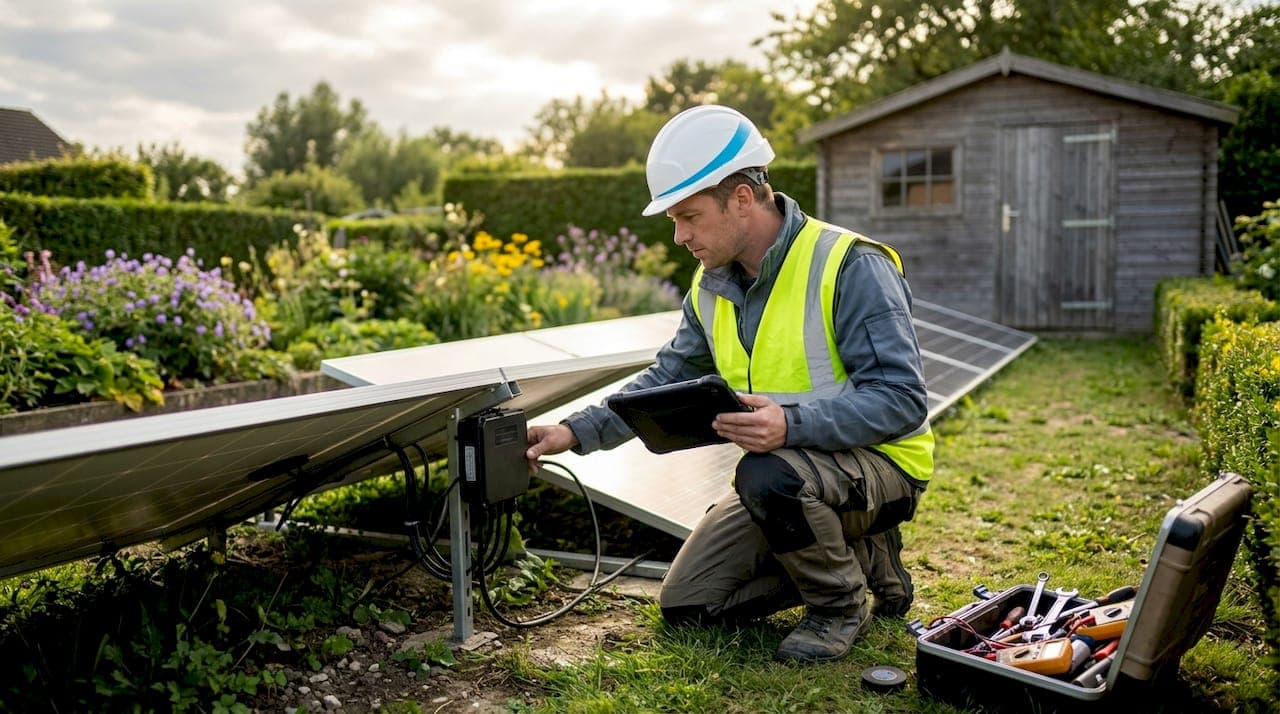
Professional solar maintenance is defined as scheduled cleaning, electrical inspection, and component monitoring performed by licensed technicians to sustain peak energy output from your solar array. Neglected systems can lose 15–25% of their output due to soiling, wiring degradation, and component wear. That loss shows up directly in your monthly energy bill. Industry guidance recommends cleaning 1–2 times per year, visual inspections twice annually, and a full electrical inspection every 3–5 years. The benefits of professional solar maintenance go well beyond a clean panel surface. They protect your warranty, your safety, and your long-term return on investment.
1. How professional solar maintenance improves energy efficiency
Soiling is the single largest cause of preventable output loss in residential and commercial solar systems. Dust, pollen, bird droppings, and organic debris block sunlight from reaching photovoltaic cells. Even a thin, uniform layer of grime reduces the energy a panel can convert. Regular professional cleaning restores that lost capacity before it compounds over months.
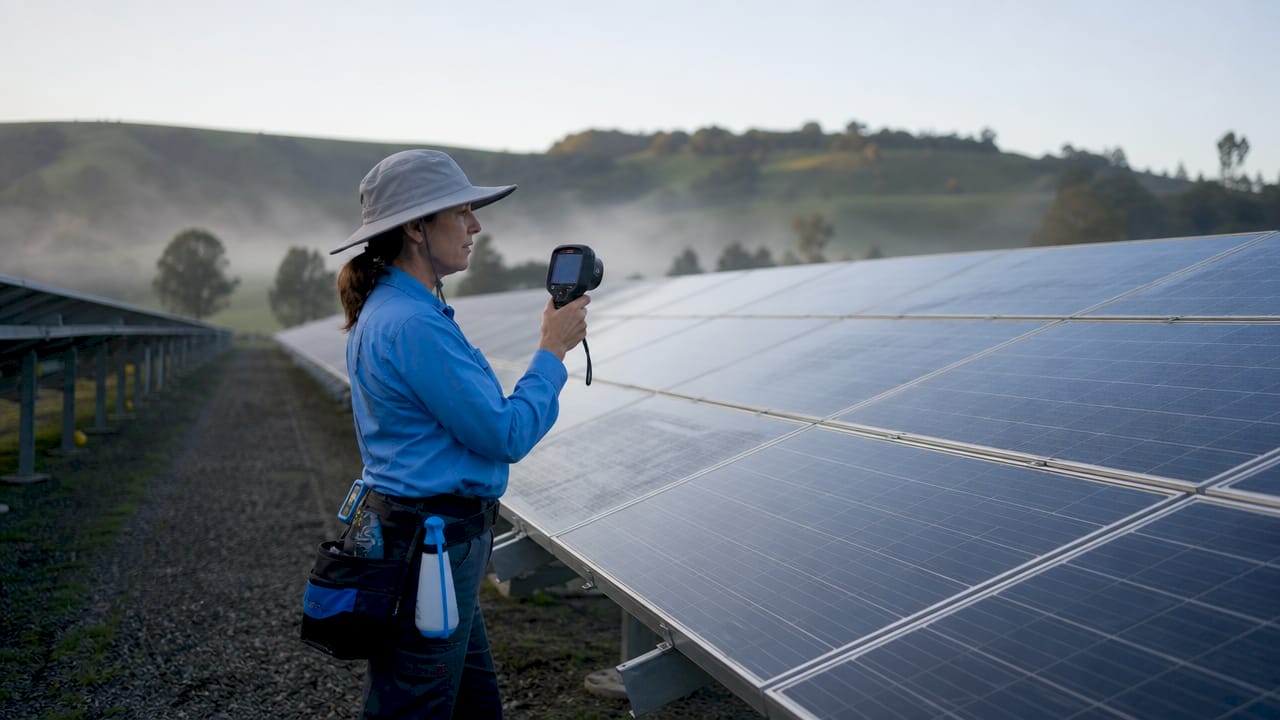
Electrical faults cause a second, less visible form of efficiency loss. Professional technicians use thermal imaging to find hot spots and test connection resistance. These faults are invisible to the naked eye but reduce output steadily over time. A loose junction box connection or a corroded wire can cost you kilowatt-hours every single day without triggering any visible alarm.
A professional maintenance visit typically covers:
- Panel surface cleaning with deionized water and soft brushes
- Visual inspection of mounting hardware, frames, and conduit
- Thermal imaging scan to locate hot spots and failing cells
- Wiring and connection resistance testing
- Inverter performance review and error log check
- Shade analysis to identify new obstructions like tree growth
Pro Tip: DIY cleaning addresses surface dirt but misses electrical faults entirely. A technician's thermal camera can detect a failing bypass diode or a high-resistance connection that costs you production every hour the sun shines.
2. Cost savings and financial protection
Professional solar maintenance is a savings strategy, not an added expense. Routine service visits cost $150–$350 annually, compared to $1,500–$3,000 to replace a failed string inverter. That cost gap is not subtle. Catching a failing inverter during a scheduled inspection costs a fraction of what an emergency replacement runs.
Early detection is the financial core of professional upkeep. A failed microinverter or tripped disconnect can significantly reduce output without triggering any visible alarm. Owners who skip maintenance often discover the problem only when their utility bill spikes. By then, weeks or months of lost production are already gone.
Warranty compliance adds another financial layer. Most panel manufacturers require documented evidence of professional servicing to honor warranty claims. Skipping professional visits does not just risk equipment damage. It can void the coverage you paid for when you bought the system.
Key financial benefits of scheduled professional upkeep:
- Avoids emergency repair costs that dwarf annual service fees
- Preserves manufacturer and installer warranty coverage
- Maintains production levels that justify your system's payback period
- Reduces the risk of cascading failures from undetected component wear
3. Safety and warranty compliance advantages
Solar systems combine high-voltage DC electricity with rooftop work. That combination creates real physical risk for untrained owners. Licensed technicians carry the training, insurance, and equipment to work safely on both the electrical and structural components of your array.
DIY maintenance attempts create several specific hazards:
- Electrical shock from live DC circuits that do not shut off with the breaker
- Fire risk from improperly reconnected wiring or disturbed connectors
- Roof damage from foot traffic in the wrong locations
- Panel damage from pressure washers or abrasive cleaning tools
Improper cleaning agents or high-pressure washers can strip anti-reflective coatings or create micro-fractures in tempered glass. Both outcomes degrade panel performance permanently. Both can also void your manufacturer warranty. That warranty may cover 25 years of production guarantees. Losing it over a DIY cleaning attempt is a costly mistake.
Pro Tip: Before any cleaning or inspection, ask your installer for the warranty's servicing requirements. Many manufacturers specify that cleaning must use deionized or purified water and non-abrasive tools. Solaralchemist uses professional-grade deionized water systems specifically to meet those standards.
4. Extended system lifespan and prevention of performance degradation
Solar panels degrade naturally over their 25–30 year lifespan. Professional maintenance slows the accelerated degradation caused by soiling, electrical stress, and undetected component failures. The difference between a well-maintained system and a neglected one is not just efficiency. It is years of productive life.
Inverters carry the heaviest operational load in any solar system. Scheduled checks catch overheating, capacitor wear, and firmware issues before they cause full failure. Battery storage systems, where present, also benefit from periodic state-of-health checks that extend their usable cycle count.
| Maintenance task | Recommended frequency | Lifespan benefit |
|---|---|---|
| Panel cleaning | 1–2 times per year | Prevents soiling-related cell stress |
| Visual inspection | Twice per year | Catches mounting and frame corrosion early |
| Electrical inspection | Every 3–5 years | Extends inverter and wiring service life |
| Thermal imaging scan | Annually | Identifies failing cells before they spread |
| Inverter health check | Annually | Reduces risk of full inverter failure |
System health monitoring ties these tasks together. When a technician reviews monitoring data alongside a physical inspection, gradual trends become visible. A slow voltage drop across one string, for example, points to a specific panel or connection issue long before output collapses. That early intervention is what extends panel lifespan well into the system's third decade.
5. Real-time monitoring and predictive protection
The primary benefit of professional solar maintenance is predictive protection. Catching inefficiencies like loose wiring or inverter overheating before full system failure prevents the worst financial outcomes. Remote monitoring is the tool that makes that possible at scale.
Many owners treat solar as set-and-forget, but systems require periodic digital health checks including voltage monitoring against expected production curves. A system that looks fine from the ground can be silently underperforming due to a single failed microinverter or a shading issue that developed over one season.
Professional monitoring services typically provide:
- Continuous voltage and current tracking per string or panel
- Automatic alerts for inverter offline events or production anomalies
- Historical production comparison to flag gradual efficiency loss
- Integration of remote data with scheduled physical inspections
- Fault logs that guide technicians directly to the problem component
The combination of software diagnostics and physical inspection is more effective than either alone. A monitoring alert tells a technician where to look. The thermal camera and resistance meter tell them what is wrong. That pairing shortens diagnosis time and reduces the labor cost of each service visit. Owners who invest in annual maintenance schedules with monitoring integration report fewer emergency calls and more consistent production year over year.
Key takeaways
Professional solar maintenance protects energy output, system lifespan, and financial returns by combining scheduled cleaning, electrical inspection, and real-time monitoring into a single proactive service program.
| Point | Details |
|---|---|
| Output loss without maintenance | Neglected systems lose up to 25% of output from soiling and component wear. |
| Annual service cost vs. repair cost | Routine visits cost $150–$350 versus $1,500–$3,000 for an inverter replacement. |
| Warranty compliance | Most manufacturers require documented professional servicing to honor warranty claims. |
| Thermal imaging catches hidden faults | Electrical faults invisible to the eye reduce output daily until a technician finds them. |
| Monitoring extends system life | Combining remote data with physical inspections catches gradual degradation before it compounds. |
Why I think most solar owners underestimate maintenance
Most owners I talk to are surprised by how much output they have already lost before they call for service. They bought a system, watched the first-year production numbers, and assumed the system would hold that level indefinitely. It does not. Soiling alone can cut output meaningfully within a single season in Wisconsin, where pollen, tree debris, and winter grime accumulate fast.
The misconception I see most often is that visible dirt is the only problem worth addressing. Electrical faults are the silent killers. A single failed bypass diode or a corroded connector can drag down an entire string for months. The monitoring dashboard may still show "normal" because the system is still producing. It is just producing less than it should.
What I have found is that owners who schedule annual professional service stop thinking about their system as a liability. They know it is being watched. They know faults get caught early. That peace of mind has real value, separate from the kilowatt-hours recovered. And when a warranty claim eventually comes up, they have the service records to back it up.
The owners who wait until something breaks always pay more. Not just in repair costs, but in lost production during the weeks the system ran at reduced capacity before anyone noticed. Proactive maintenance is not a luxury. It is the only approach that actually protects the investment you made.
— Marquis
Solaralchemist keeps your system at peak production
Solaralchemist serves solar panel owners across Madison, Wisconsin and the surrounding area with professional cleaning and maintenance built around one goal: protecting your energy investment year-round.
Every service visit uses professional-grade deionized water systems and specialized equipment to clean panels without risking coatings or micro-fractures. Solaralchemist combines physical inspection with performance review so you get both a clean array and a clear picture of your system's health. Whether you are checking signs your panels need service or scheduling your first professional inspection, Solaralchemist delivers the documented, warranty-compliant service your system requires. Reach out to book a visit and keep your solar array producing at its full potential.
FAQ
How often should professional solar maintenance be done?
Industry guidance recommends cleaning 1–2 times per year, visual inspections twice annually, and a full electrical inspection every 3–5 years. Owners in areas with heavy pollen, dust, or tree cover may need more frequent cleaning.
What does professional solar maintenance include?
A professional visit covers panel cleaning, mounting and wiring inspection, thermal imaging for hot spots, inverter performance review, and monitoring data analysis. The combination addresses both surface and electrical causes of output loss.
Can I clean my solar panels myself?
Surface cleaning is possible, but DIY methods frequently miss electrical faults and risk stripping anti-reflective coatings or creating micro-fractures. Improper cleaning can void manufacturer warranties that cover decades of production.
How much does professional solar maintenance cost?
Routine professional service visits typically cost $150–$350 annually. That compares favorably to $1,500–$3,000 for replacing a failed string inverter that a scheduled inspection could have caught early.
Does skipping maintenance void my solar warranty?
Many manufacturers require documented evidence of professional servicing to honor warranty claims. Skipping professional visits can invalidate coverage on panels, inverters, and other components.